Today, Colorado is known for world-class breweries and craft distilleries, but long before legal spirits lined tasting room shelves, moonshine was flowing through the Rocky Mountains.
During Prohibition, Colorado’s rugged terrain, isolated cabins, and mining communities made it an ideal place for illegal distilling. From hidden stills deep in the mountains to bootleggers transporting liquor through snowy passes, the state’s history is full of fascinating stories that helped shape today’s craft spirits industry.
Colorado’s Moonshine Past
Colorado’s landscape wasn’t just beautiful; it was practical for anyone hoping to stay out of sight.
The Rocky Mountains offered steep valleys, dense forests, and countless remote locations where illegal stills could operate unnoticed. Fresh mountain spring water, an essential ingredient in quality spirits, was abundant, and old mining cabins tucked into the hills provided ready-made shelters for distillers.
Even reaching many of these locations was a challenge. Long before modern roads connected much of the state, mountain trails and rugged terrain naturally discouraged law enforcement from venturing too far into the backcountry. For moonshiners, Colorado offered the perfect combination of resources and secrecy.
Prohibition and the rise of Moonshine
When Prohibition began in 1920, the demand for alcohol didn’t disappear. If anything, it grew stronger.
With legal distilleries forced to close, underground operations spread throughout the country, and Colorado was no exception. Families quietly produced liquor for neighbors, while larger bootlegging operations transported moonshine across mountain passes and into growing cities like Denver.
For many, moonshining wasn’t about becoming an outlaw. It was a way to earn extra income during difficult economic times or preserve generations-old distilling traditions. Colorado’s geography simply made it easier to continue those practices away from prying eyes.
Colorado’s Bootlegging Routes
As Prohibition continued, making moonshine was only half the challenge. Getting it into the hands of customers without being caught was often even more difficult.
Colorado’s winding mountain roads became secret highways for bootleggers transporting illegal liquor between remote stills and growing cities like Denver. Drivers often traveled at night, taking little-known mining roads and narrow mountain passes to avoid law enforcement. Some even modified their vehicles for speed, stripping away unnecessary weight and making quick getaways through the Rockies.
Stories of daring bootleggers and getaway cars became part of Prohibition folklore, but the reality was just as resourceful. Denver’s Smaldone crime family, for example, built its operation around bootlegging during Prohibition, while bootleggers across the country modified cars for speed and used backroads to evade law enforcement. Those souped-up cars would eventually help inspire the stock car racing tradition that became NASCAR.
From Outlaws to Craft Distilleries
Lucky for us, the days of hiding stills in mountain cabins are long gone.
When Prohibition ended in 1933, legal distilling slowly returned, eventually giving rise to the thriving craft spirits industry Colorado is known for today. Modern distilleries celebrate the same creativity and craftsmanship that once defined moonshiners, but now they can proudly share their work with visitors.
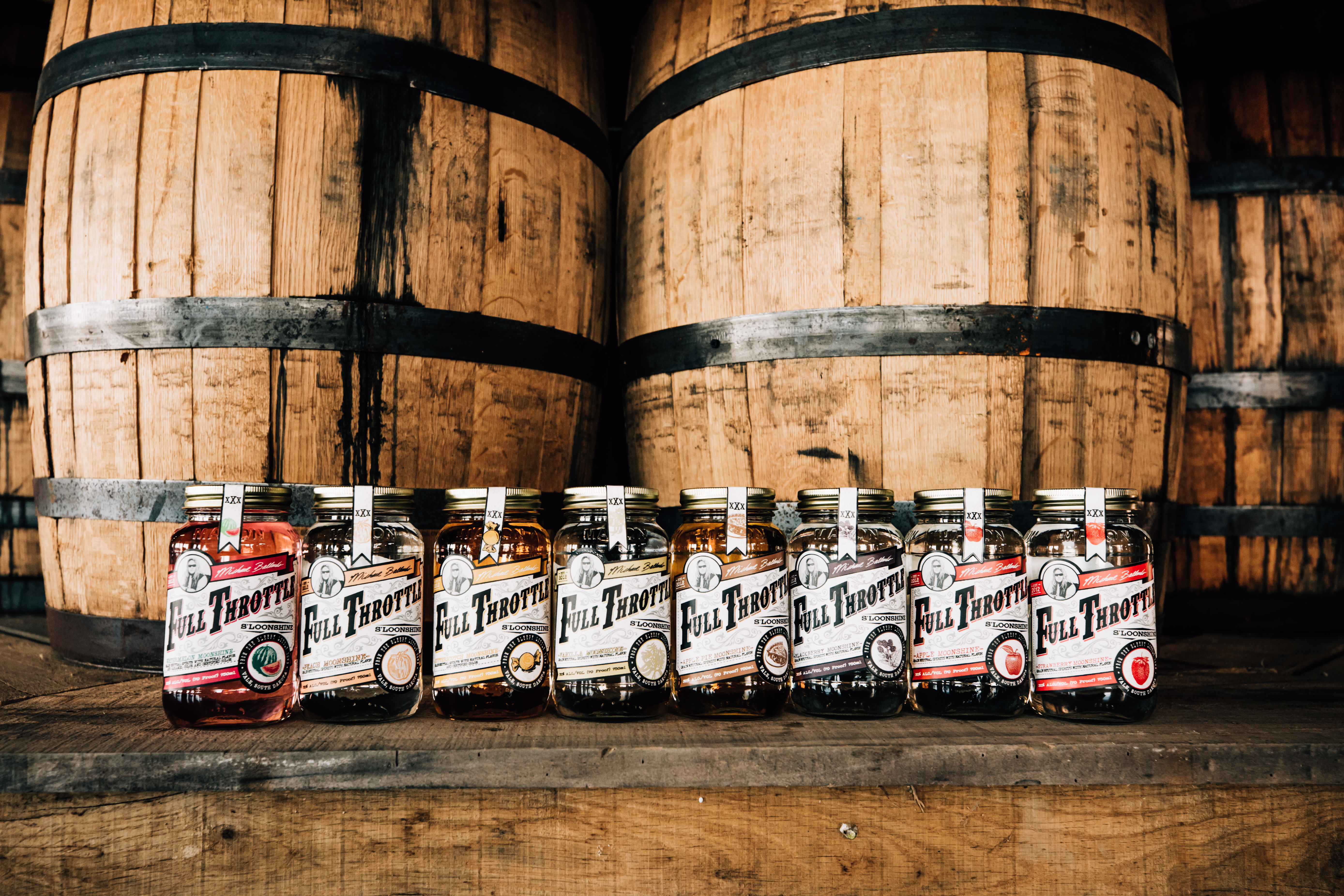
At Full Throttle Distillery, that adventurous spirit lives on. Guests can sample handcrafted moonshine, whiskey, and Sippin’ Creams, enjoy live music, browse the gift shop, and experience one of Colorado’s unique distillery destinations. Whether you’re exploring Rocky Mountain National Park or spending the day in downtown Estes Park, it’s a chance to enjoy a piece of American distilling history.
To learn more about the history of running moonshine in Colorado, visit History Colorado or the Colorado Encyclopedia.